

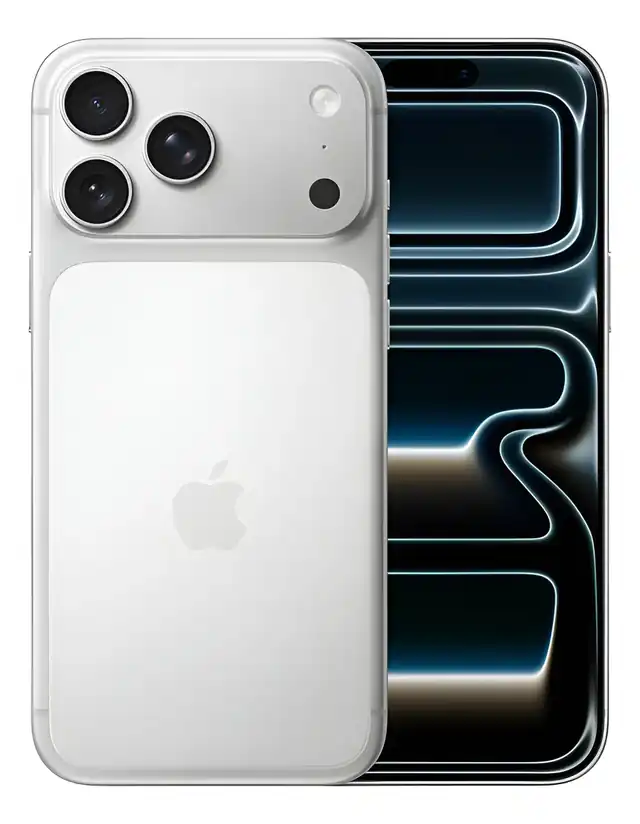
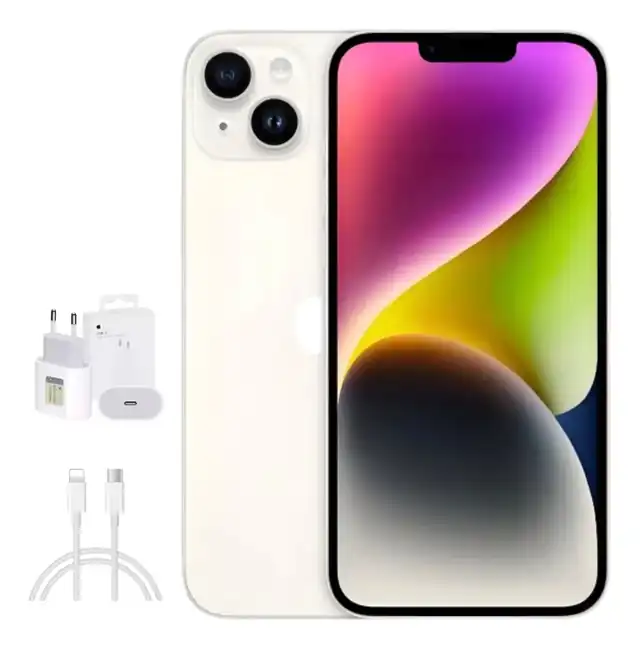
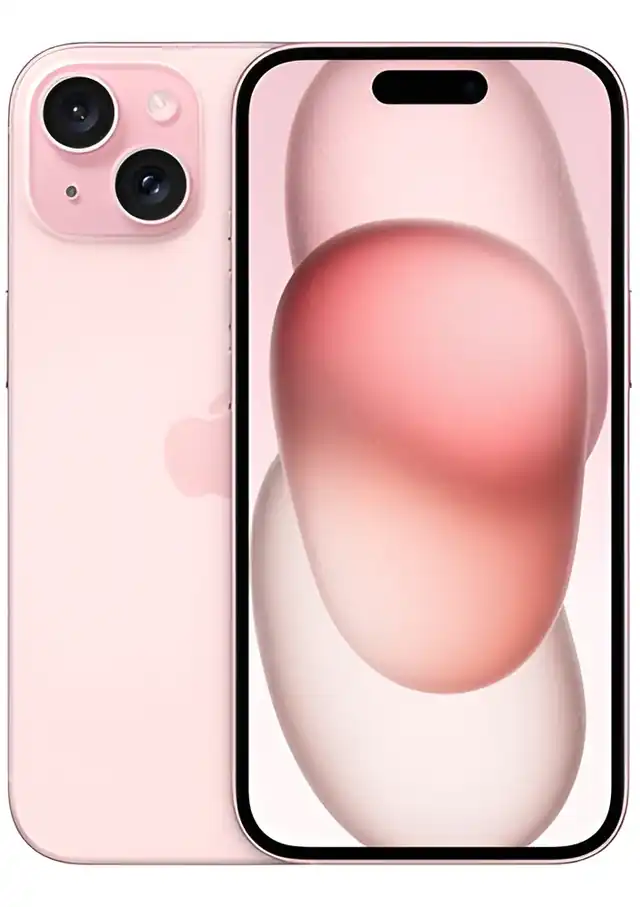
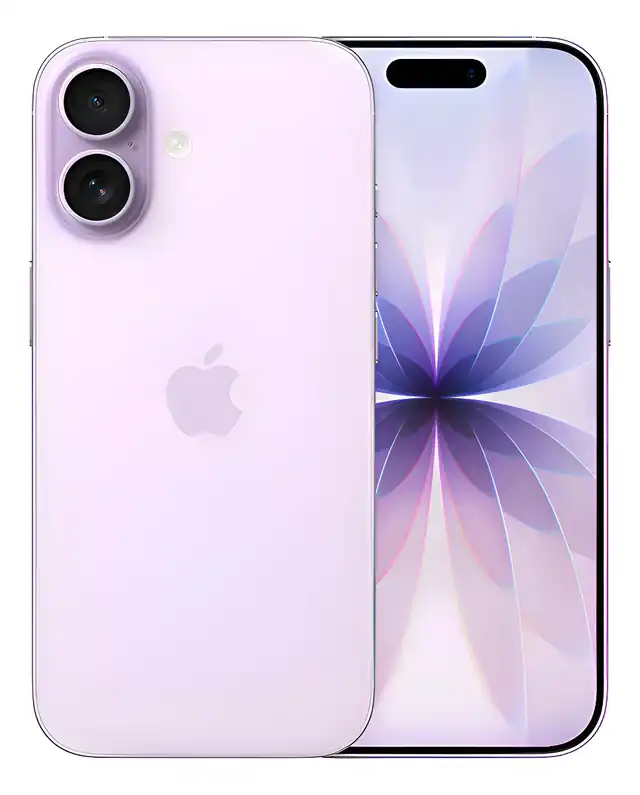

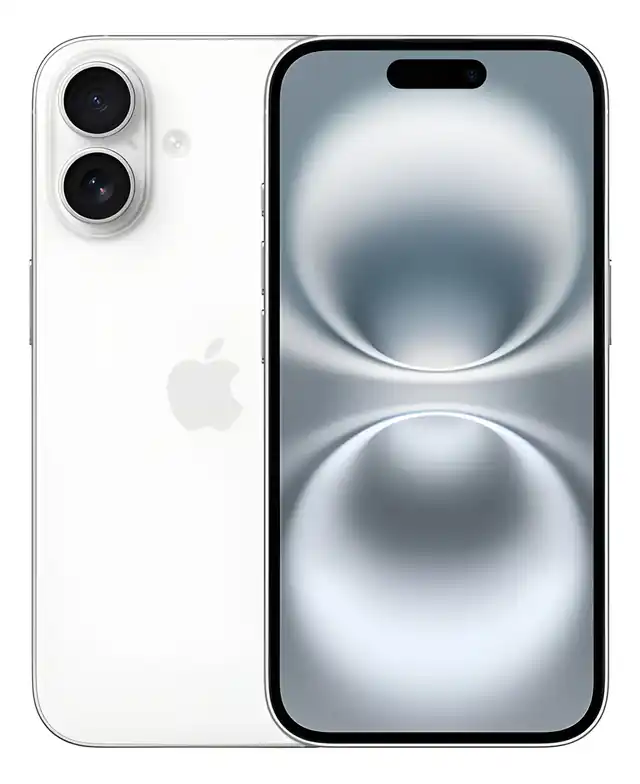
A practical look at the Apple iPhone 16 256GB White for users who want strong performance, premium cameras, reliable storage and a clean design without moving into the largest or most specialized iPhone models.
The Apple iPhone 16 256GB White makes the most sense for users who want a premium iPhone with modern performance, generous storage, a bright OLED display, strong cameras and long-term everyday reliability. It is a safer choice for people upgrading from an older iPhone, but it may not satisfy users who specifically want the biggest screen, the most advanced zoom system or the highest-end Pro features.
The Apple iPhone 16 256GB White is a smartphone aimed at buyers who want a polished, fast and durable iPhone for daily use, content creation, work, travel and entertainment. Its strongest appeal is balance: it offers the A18 chip, a refined camera system, a compact premium body and enough storage for heavier use without forcing the buyer into the largest model.
This is not a phone built only for one narrow type of user. It works well for people who take many photos, record videos often, use social apps heavily, depend on smooth performance and want a device that feels current for years.
Why the iPhone 16 256GB White fits the premium everyday category
The iPhone 16 256GB White sits in a practical middle ground inside Apple’s lineup. It is more advanced than older standard iPhones, more accessible in size than the Plus models and less specialized than the Pro range. That makes it especially attractive for users who want a premium iPhone experience without paying mainly for professional camera extras or a larger body.
The white finish gives the device a clean, classic look. It is discreet, easy to match with cases and less visually loud than brighter color options. For buyers who prefer a phone that looks elegant at work, in videos, in photos or in daily use, the white version has a more timeless appeal.
The 256GB storage configuration is one of the most important points in this model. It gives more breathing room for photos, videos, apps, offline playlists, documents and system updates. For many users, this capacity is the more comfortable choice because it reduces the need to constantly clean storage or rely too heavily on cloud management.
The iPhone 16 also brings Apple’s A18 chip, which is central to its performance profile. It is built for fast app launching, smooth multitasking, gaming, image processing and Apple Intelligence features where available. For daily use, the advantage is not only raw speed, but the feeling that the phone responds quickly even when several apps are open.
Storage, SIM compatibility and real-use details that deserve attention
The biggest buying mistake in this category is looking only at the model name and ignoring the configuration. With the iPhone 16, storage and carrier compatibility matter a lot. The 256GB version is more comfortable than the entry configuration for people who record video, keep many apps installed or want to use the phone for several years.
Storage is not just about photos. Modern smartphones accumulate messaging media, app cache, games, edited videos, downloads, offline maps and operating system files. A user who buys too little storage may feel the limitation later, even if the phone itself remains fast.
SIM support is another point to check before purchase. The iPhone 16 supports eSIM, and some regional versions may also support nano SIM depending on the market and model. Before buying, it is wise to confirm compatibility with the carrier you use most, especially if you travel often or plan to use more than one line.
The USB-C connector also changes the experience for many users. It simplifies cable sharing with newer devices and accessories, but not every buyer should expect high-end professional transfer speeds from this model. It is enough for charging and common connectivity needs, while users with very specific production workflows should compare it carefully with Pro models.
What feels strong in daily use
The first practical strength is performance. The A18 chip gives the iPhone 16 a fast and responsive feel across common tasks such as messaging, video calls, banking apps, maps, social media, streaming and photo editing. It also helps the phone remain more prepared for future software features.
The second strength is the display. The Super Retina XDR OLED screen offers sharp detail, strong contrast and high brightness for outdoor use. The 6.1-inch size is a good fit for people who want a premium screen without carrying a very large phone.
The camera experience is another major reason to consider this model. The 48MP Fusion Main camera is designed to capture high-resolution images and also enables a 2x optical-quality telephoto option. That gives more flexibility for portraits, travel shots, food photos and everyday scenes without needing a separate telephoto lens.
The Ultra Wide camera adds value for landscapes, group photos, architecture and tighter indoor spaces. The Camera Control button also improves access to camera tools, making it faster to adjust zoom, depth and other settings. It is most useful for people who shoot frequently and want a more direct way to interact with the camera.
Battery life is another strong point for typical daily use. The iPhone 16 is designed to handle a full routine more comfortably than many older iPhones, especially for users upgrading from models with aged batteries. Actual endurance depends on brightness, signal strength, gaming, navigation and video recording, but the overall profile is reliable for a standard-size premium phone.
The white design, aluminum body, Ceramic Shield front and water and dust resistance add to the sense of durability. It still needs a good case and careful use, but it does not feel fragile in normal handling.
Where expectations need to stay realistic
The iPhone 16 256GB White is powerful, but it is not the same proposal as a Pro model. Buyers who want the most advanced zoom system, the highest refresh-rate display experience or the most complete professional video setup should compare carefully before deciding.
The screen is excellent for sharpness, color and brightness, but users who are very sensitive to display fluidity may prefer models with more advanced refresh-rate technology. For everyday browsing, video and social media, the display is strong. For users who prioritize ultra-smooth scrolling above everything else, this can be a point of attention.
The camera system is versatile, but it is still a dual-camera setup. It performs very well for daily photography, portraits, landscapes and video, yet it does not replace the extra reach of a dedicated high-end telephoto system. If zoom is your main reason to upgrade, a different iPhone tier may be more suitable.
Another realistic point is charging. USB-C is convenient, MagSafe is practical and wireless charging support is welcome, but the buyer should not expect every charger or accessory to deliver the same speed. Results depend on the adapter, cable, wireless charger and usage conditions.
Apple Intelligence support is an important part of the iPhone 16’s long-term appeal, but availability can vary by region, language and software version. It is a strong future-facing feature, not the only reason to buy the phone.
Screen, cameras, battery and performance in a practical routine
The iPhone 16 uses a 6.1-inch Super Retina XDR OLED display with high pixel density, HDR support, True Tone, wide color and strong peak brightness. In practical terms, this means text looks crisp, videos look rich and the screen remains usable in brighter environments.
The A18 chip combines performance cores, efficiency cores, a dedicated GPU and a Neural Engine. For the user, this translates into speed, smooth camera processing, better handling of demanding apps and stronger support for on-device intelligence features. It is especially relevant for people who keep their phones for several years.
The rear camera system combines a 48MP Fusion Main camera with a 12MP Ultra Wide camera. The main camera is the one most users will rely on daily, while the Ultra Wide helps when the scene is too large or the space is too tight. The 2x option adds useful framing flexibility without making the device bulky.
Video recording is one of the strongest parts of the iPhone experience. The iPhone 16 supports high-quality Dolby Vision recording, cinematic features, stabilization and spatial audio recording. For social media creators, family videos and travel footage, this makes the phone feel dependable without requiring complex manual setup.
The front TrueDepth camera remains important for selfies, video calls, Face ID and portrait effects. It is a good fit for users who record stories, attend meetings, make frequent calls or use the front camera for quick content creation.
Battery performance is designed for a full modern smartphone routine, with support for fast charging, USB-C charging and MagSafe wireless charging. The practical advantage is flexibility: you can charge with a cable, use magnetic accessories or rely on wireless charging pads when convenience matters more than speed.
Connectivity is also strong for a premium daily phone. Wi-Fi 7 support, Bluetooth 5.3, 5G compatibility, NFC and precise location features make the device suitable for modern networks, payments, accessories, navigation and smart ecosystem use.
The type of buyer who will get the most from this iPhone
This model is a strong match for users upgrading from older iPhones who want a noticeable improvement in camera quality, display, battery behavior and processing speed. It will feel especially meaningful for anyone coming from models with weaker battery health, less storage or older camera hardware.
It also fits people who create content casually but often. If you take many photos, record short videos, post on social media, edit clips on the phone and want reliable results without carrying extra equipment, the iPhone 16 256GB is a very practical option.
The 256GB configuration makes sense for students, professionals, travelers and families who use the phone as their main camera and digital storage device. It gives more comfort for years of files, apps and media.
It is also a good choice for users who prefer a standard-size phone. The 6.1-inch format is easier to handle than larger models, easier to put in pockets and more comfortable for one-handed use. At the same time, the screen is still large enough for video, reading and productivity.
The white finish suits buyers who value a clean and neutral appearance. It is the kind of color that stays elegant with clear, black, beige, gray or colorful cases, which helps preserve the design flexibility of the device.
Cases where another iPhone may make more sense
This is not the best match for users who want the largest possible battery and screen inside the standard iPhone family. A bigger model may be better for those who watch many videos, play for long sessions or prefer a larger typing and reading area.
It may also be less ideal for buyers who want the most advanced camera hardware available on an iPhone. If dedicated telephoto zoom, professional video workflows and extra camera controls are essential, the Pro line deserves closer attention.
Users who already own a recent iPhone in excellent condition should think carefully before upgrading. The iPhone 16 is strong, but the improvement will feel more dramatic from older generations than from a very recent model with good battery health and enough storage.
It may also be excessive for someone who only needs basic messaging, calls, simple apps and occasional photos. In that case, a simpler iPhone or another smartphone category can deliver enough utility without needing this level of performance.
Finally, users who depend on a physical SIM should check the exact regional model before purchase. Compatibility can vary, and this detail matters more than many buyers realize.
How it compares with nearby iPhone choices and Android flagships
Compared with older standard iPhones, the iPhone 16 256GB White brings a more modern performance base, better camera flexibility, stronger display experience, USB-C convenience and more future-facing software support. The upgrade feels most relevant for users coming from models several generations behind.
Compared with larger iPhones, the iPhone 16 is easier to handle and carry. The trade-off is screen size and battery headroom. If portability matters more than maximum viewing area, this model is the more comfortable choice. If video watching and long gaming sessions dominate your routine, a larger model can be more satisfying.
Compared with Pro iPhones, the standard iPhone 16 is less specialized. It offers excellent everyday performance and camera quality, but does not chase the same professional photography and display features. The decision depends on whether you need advanced tools or simply want a fast, premium, reliable iPhone.
Compared with Android flagships, the iPhone 16 stands out for iOS integration, long ecosystem consistency, strong video quality, Face ID, Apple services and accessory support. Android alternatives may compete strongly on customization, display specifications, charging profiles or camera zoom depending on the model.
The best comparison is not only about specifications. It is about how you use the phone. If your routine already depends on iCloud, AirPods, Apple Watch, Mac or iPad, the iPhone 16 becomes more valuable because it fits into that ecosystem naturally.
The buying decision in practical terms
The Apple iPhone 16 256GB White is a strong choice if you want a premium iPhone with modern performance, a sharp OLED display, reliable cameras, good storage comfort and an elegant design. It is especially convincing for users who want a phone that feels current now and remains comfortable over time.
The most persuasive part of this model is not one isolated feature. It is the combination of A18 performance, 256GB storage, everyday camera flexibility, USB-C, MagSafe, eSIM support and a body size that does not feel oversized.
It is less compelling if your priority is the biggest screen, the most advanced zoom system or the most professional camera package. In those cases, other iPhone variants may fit better.
For most users looking at a standard premium iPhone, however, this configuration is one of the most balanced choices. It offers enough storage for heavier daily use, a clean design that ages well and performance that should remain comfortable across years of software updates.
Is the Apple iPhone 16 256GB White good for photos?
Yes, it is very good for everyday photography. The 48MP Fusion Main camera delivers strong detail, while the Ultra Wide camera helps with landscapes, group shots and tight spaces. It is not the most advanced iPhone camera system, but it is more than enough for travel, family, social media and daily creative use.
Is 256GB enough storage on the iPhone 16?
Yes, 256GB is a comfortable choice for most users. It is especially useful if you record videos, install many apps, save music offline or keep photos for years. It gives more flexibility than the entry configuration and reduces the need to manage storage aggressively over time.
Does the iPhone 16 support eSIM?
Yes, the iPhone 16 supports eSIM. Depending on the regional model, it may also support a physical nano SIM. Before buying, it is important to confirm the exact version and check whether your carrier supports the activation method you plan to use, especially if you travel or use multiple lines.
Is the iPhone 16 White a good color choice?
Yes, white is a clean and versatile color choice. It looks discreet, matches many case styles and tends to age well visually. It is ideal for users who prefer a classic appearance rather than a bold color. The main care point is choosing a protective case that keeps the finish looking clean.
Is the iPhone 16 good for gaming and heavy apps?
Yes, the A18 chip gives the iPhone 16 strong performance for games, editing apps, multitasking and demanding daily use. It is not positioned as the most extreme gaming phone, but it delivers fast response and stable performance for most users who want a premium smartphone for entertainment and productivity.
Does the iPhone 16 have USB-C?
Yes, the iPhone 16 uses a USB-C connector. This is practical for charging and for using newer accessories and cables. The main point to understand is that charging speed and accessory performance depend on the cable, adapter and device being used, so not every setup delivers the same experience.
Is the iPhone 16 better than older iPhones?
Yes, it can be a major upgrade from older iPhones. The improvements are most noticeable in performance, camera flexibility, display quality, battery behavior, USB-C convenience and software readiness. The upgrade feels more meaningful if your current iPhone has weak battery health, limited storage or older camera hardware.
Should I choose the iPhone 16 or a Pro model?
Choose the iPhone 16 if you want a premium, fast and balanced iPhone for everyday use. Choose a Pro model if you specifically need the most advanced camera tools, stronger zoom options, higher-end display features or professional video workflows. For many users, the standard iPhone 16 is the more practical choice.
The Apple iPhone 16 256GB White is best understood as a premium everyday iPhone with enough storage, speed and camera quality to satisfy demanding daily users without becoming oversized or overly specialized. It is a strong purchase for people who want a modern iPhone that feels elegant, fast and dependable.
If your priority is balanced performance, clean design, long-term usability and a camera system that works well in most situations, this model is easy to recommend. If your priority is the largest screen, the most advanced zoom or Pro-level display features, comparing other iPhone variants before deciding will be the smarter path.