
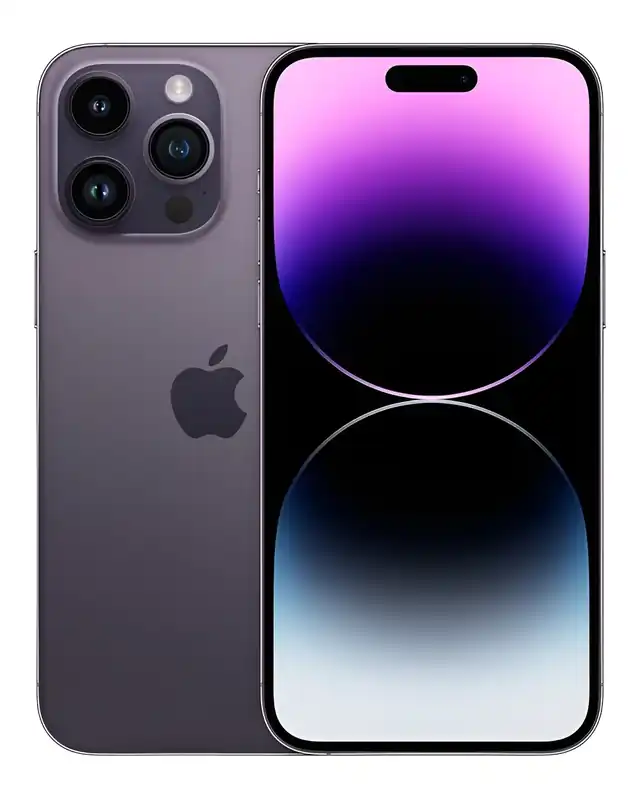
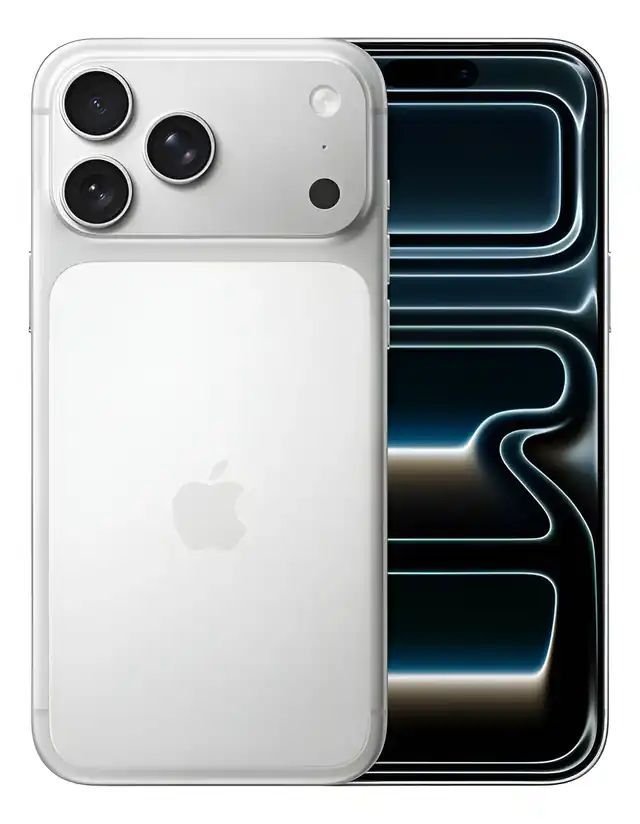
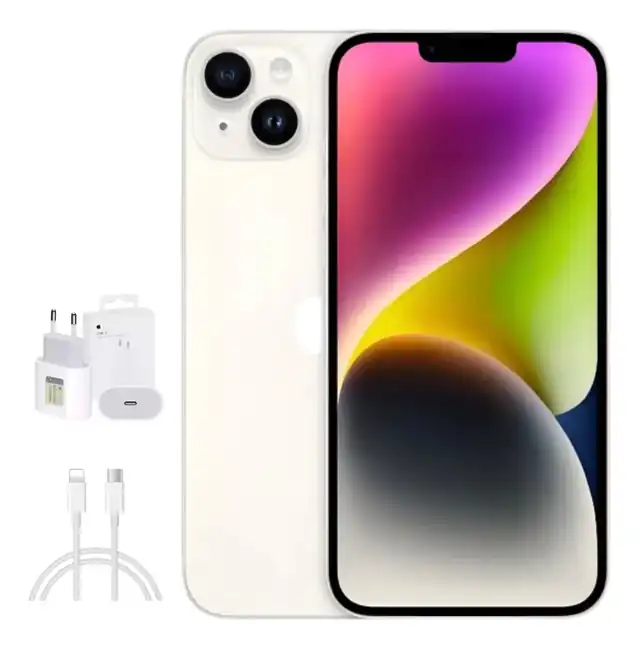
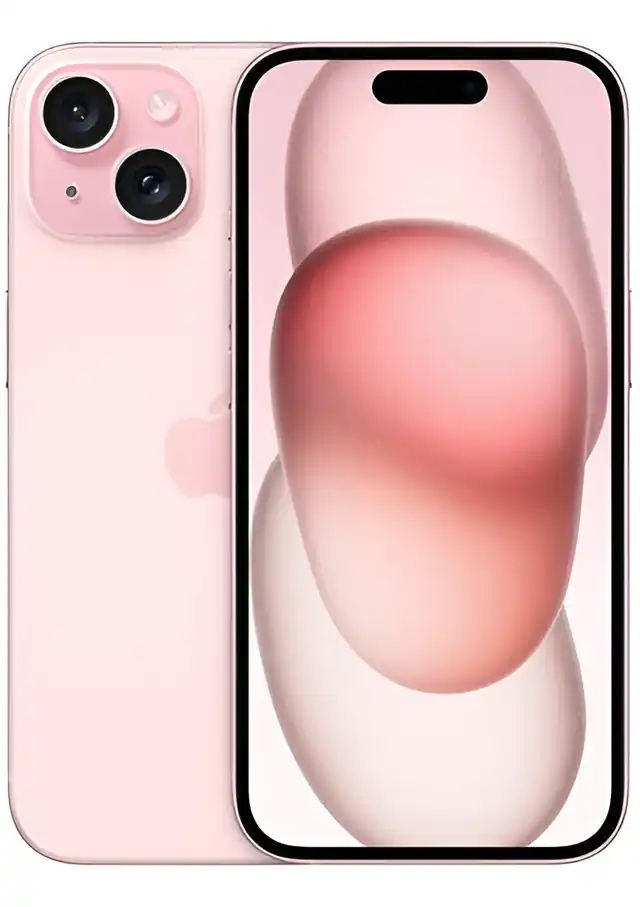
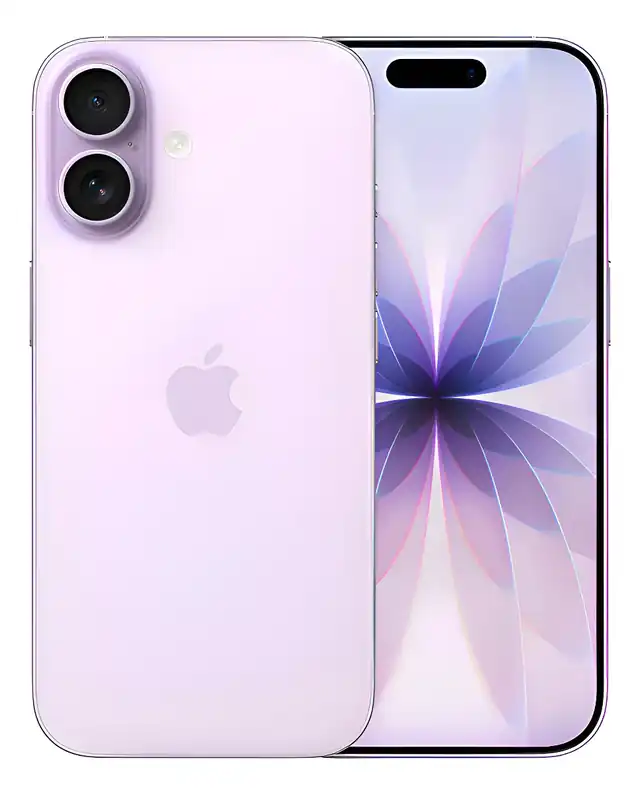

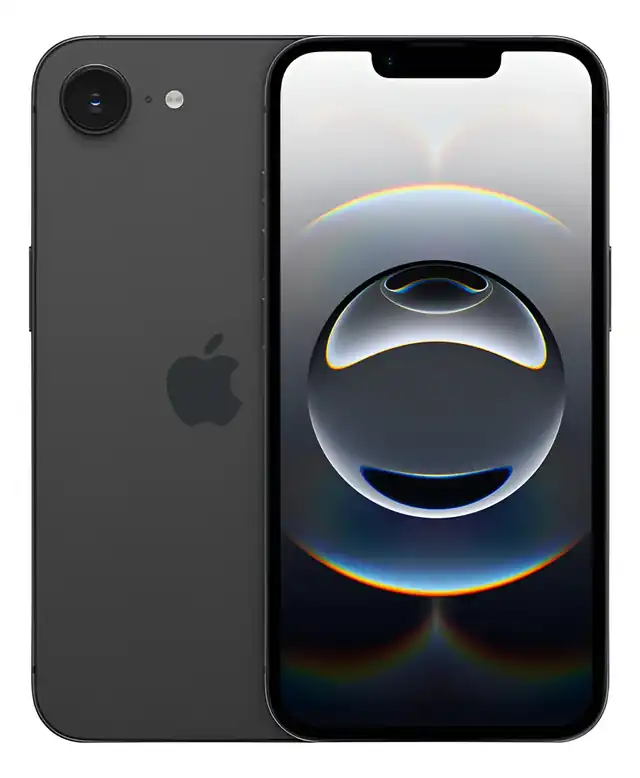
A practical look at the black iPhone 16e with 128GB storage, A18 performance, OLED display, 48MP Fusion camera, USB-C, Face ID and a more focused Apple experience.
The iPhone 16e 128GB review comes down to one simple decision: it makes sense for users who want a modern iPhone with strong everyday performance, Apple Intelligence support, a compact 6.1-inch OLED screen and reliable battery life, without needing every premium feature from the higher iPhone models. It is less ideal for buyers who want multiple rear cameras, MagSafe accessories, the brightest outdoor display or the most advanced video tools.
The black iPhone 16e 128GB is positioned as a practical entry into the current iPhone ecosystem. It keeps the core Apple experience strong: fast chip, clean software, Face ID, 5G, USB-C, a high-resolution main camera and long-term iOS support.
The key question is not whether it is powerful enough for daily use. For most people, it is. The real decision is whether its simplified design and single rear camera match the way you use a phone every day.
What the iPhone 16e 128GB delivers in daily use
The iPhone 16e is a smartphone built around balance. It is not trying to be the most advanced iPhone in every area, but it focuses on the features most users notice first: speed, camera quality, screen comfort, battery reliability, security and software longevity.
This black 128GB version brings a sober, discreet look that fits users who prefer a classic finish rather than a more colorful device. The body combines an aluminum design, Ceramic Shield on the front and a glass back, which gives it a familiar iPhone feel without making it oversized.
The 6.1-inch OLED screen is one of the strongest parts of the experience. It is large enough for reading, messaging, maps, video, banking apps and social media, but still manageable for users who dislike very large phones. The size also makes it easier to carry in a pocket or use one-handed than bigger models.
The A18 chip is another major reason to consider it. It gives the phone enough headroom for multitasking, gaming, photo processing, system updates and Apple Intelligence features. For someone upgrading from an older iPhone, the jump in responsiveness should feel immediately noticeable.
The 128GB storage capacity is the base configuration. It fits users who mainly use cloud storage, stream music and video, take casual photos and do not keep a large offline media library. Buyers who record many videos, download heavy games or store years of photos locally should think carefully before choosing this capacity.
The storage choice matters more than many buyers expect
The biggest buying mistake with the iPhone 16e 128GB is assuming that storage can be expanded later. It cannot. The storage you choose at purchase is the storage you live with, so the 128GB version should be chosen with your real habits in mind.
For a typical user, 128GB can be comfortable. It is enough for messaging apps, banking, social networks, moderate photo use, navigation, streaming and a reasonable number of apps. It also works well for people who already use cloud backup and regularly clean old videos, duplicated photos and downloaded files.
It may become restrictive for users who film in 4K often. Video files can grow quickly, especially when recording family events, travel content, work material or social media videos. The same applies to users who install many games or keep large WhatsApp media folders without cleaning them.
Before buying, it helps to check your current phone storage. If you are already using close to 128GB and rarely delete anything, this model may require more discipline. If your current usage is well below that, the iPhone 16e 128GB can be a clean and sensible choice.
The black finish does not change performance, but it does affect the long-term look. It is discreet, elegant and easier to match with cases. However, black glass and dark frames can show fingerprints, dust and small marks depending on the case and handling.
Where this iPhone feels strongest
The most important strength of the iPhone 16e is performance. The A18 chip gives the phone a level of speed that feels above what many users expect from a more accessible iPhone. Apps open quickly, animations feel smooth, and the device is built for newer software features.
Apple Intelligence support also matters for long-term use. It makes the iPhone 16e more future-ready than older models that may still look attractive but lack access to newer Apple features. For buyers who plan to keep the device for several years, this is a strong argument.
The OLED display is another clear advantage. Colors look rich, contrast is deep, and text is sharp. For everyday use, this makes a difference in reading comfort, watching videos and using the phone at night. It feels more modern than older LCD-based iPhones.
The 48MP Fusion main camera is the most important camera feature. It is designed for high-resolution photos and also enables a 2x telephoto-style option with optical-quality results. That makes the single-camera system more flexible than it looks at first glance.
Battery life is also a strong point for this category. The iPhone 16e is made for people who want a phone that can handle a full day of normal use without constant anxiety. Actual battery life will always depend on brightness, signal strength, gaming, camera use and app behavior, but the model is clearly built with endurance in mind.
USB-C is practical for modern charging habits. It reduces cable confusion for people who already use USB-C with tablets, laptops, headphones or other devices. The phone also supports wireless charging with Qi chargers, which is convenient for bedside or desk setups.
What may disappoint some users
The iPhone 16e is not the best choice for buyers who want the most complete iPhone camera system. It has one rear camera, even though Apple uses software and sensor cropping to add more flexibility. Users who often shoot ultra-wide landscapes, architecture, group photos in tight spaces or more advanced creative video may prefer a higher model.
Another point of attention is MagSafe. The iPhone 16e supports wireless charging through the Qi standard, but it is not the same experience as using magnetic MagSafe accessories. If you already own MagSafe wallets, stands, battery packs or car mounts, this difference matters.
The display is good, but it is not positioned as the most advanced screen in the iPhone family. Buyers who care deeply about outdoor brightness, the Dynamic Island experience or premium display behavior should compare carefully before deciding.
The USB-C port is useful for charging, but it is not aimed at professional transfer workflows. If you move large video files often or use the phone as part of a content production setup, higher-end models can make more sense.
The 128GB capacity can also be a constraint for heavy users. The phone itself is fast enough for demanding apps, but storage management can become the real bottleneck if you record a lot of video or keep everything offline.
Performance, screen, camera and connectivity in practical terms
The iPhone 16e uses the A18 chip with a modern CPU, GPU and Neural Engine. In practice, this means it is designed to run current iOS features smoothly, handle photo processing efficiently and support Apple Intelligence. It is not just a basic phone with an Apple logo; it has serious processing power for everyday and semi-demanding use.
The 6.1-inch Super Retina XDR OLED display has a sharp resolution and strong contrast. It supports HDR, True Tone, wide color and Haptic Touch. This matters when reading small text, viewing photos, watching streaming content and navigating apps for long periods.
The rear camera is a 48MP Fusion system with optical image stabilization and a 2x telephoto-style option. This is useful for portraits, products, pets, food, documents, street scenes and everyday memories. The camera also supports Night mode, Smart HDR, Photographic Styles and high-resolution photo capture.
For video, the phone supports 4K Dolby Vision recording. That is more than enough for family videos, travel clips, social media and casual content creation. The main limitation is not basic quality, but the absence of some creative flexibility found in more advanced multi-camera iPhones.
The 12MP TrueDepth front camera supports Face ID, selfies, video calls and 4K Dolby Vision video. For users who rely on FaceTime, work calls, social media stories or authentication through facial recognition, this is a strong everyday feature.
Connectivity is modern enough for most buyers. The phone supports 5G, Wi-Fi 6, Bluetooth 5.3, NFC, GPS and USB-C. It is also listed as unlocked, which is important for users who want to choose their carrier. The model supports eSIM, and buyers should confirm activation details with their carrier before purchase.
The device is rated for splash, water and dust resistance, which adds peace of mind for daily accidents. This does not make it indestructible or suitable for careless water exposure, but it does make the phone better prepared for normal real-world use.
The buyer who will enjoy this model most
The iPhone 16e 128GB is a strong fit for users upgrading from an older iPhone who want a faster, more modern device without moving into the most premium tier. It is especially attractive for people who value iOS, Face ID, dependable cameras, Apple services and long software support.
It also makes sense for users who want a compact-feeling phone. The 6.1-inch size is a comfortable middle ground: not tiny, not oversized. It works well for commuting, messaging, photos, video calls, maps and everyday productivity.
This model is also suitable for people who want a cleaner camera experience. Not every user needs multiple lenses. If you mainly take photos of people, food, pets, documents, products and daily moments, the 48MP Fusion camera is likely to be enough.
It is a good option for students, professionals, parents and general users who need speed and reliability more than advanced photography tools. The A18 chip and Apple Intelligence support give it a longer useful horizon than many older iPhones still circulating in the market.
The authorized-distributor positioning also adds confidence for buyers who prefer a safer purchase path. For a device like an iPhone, authenticity, correct model, compatibility and after-sales clarity matter just as much as the technical sheet.
Cases where another iPhone may be a smarter move
This is not the best model for users who want an ultra-wide camera. If you often photograph landscapes, interiors, large groups or creative angles, a model with more rear cameras will feel more flexible.
It is also not ideal for buyers who are deeply invested in MagSafe. Standard wireless charging is useful, but magnetic alignment and the accessory ecosystem are part of what makes MagSafe attractive. Without it, some setups become less convenient.
Heavy content creators should also compare before choosing. The iPhone 16e can record excellent video for casual and social use, but creators who need more lens options, more advanced stabilization modes or larger storage may feel limited over time.
Gamers can enjoy the A18 chip, but storage should be considered carefully. Large games and frequent updates can consume space quickly. If gaming is a central use case, capacity may matter as much as processor speed.
Buyers who want the most premium iPhone experience should also look higher in the lineup. Features like more advanced displays, multiple cameras and richer accessory compatibility are not the focus of the iPhone 16e.
How it compares with other practical choices
Compared with older iPhones, the iPhone 16e feels more modern because of its A18 chip, USB-C connector, OLED screen, Face ID and Apple Intelligence support. For users coming from older SE-style models, the jump in screen size, camera quality and design is significant.
Compared with higher iPhone models, the iPhone 16e is more focused. It gives you the essentials of a modern iPhone but removes some premium extras. That trade-off works well if you care about speed, battery and iOS more than having every advanced camera or display feature.
Compared with Android alternatives in the same general buying range, the iPhone 16e appeals most to users who prioritize iOS, long software support, Apple services, privacy features, Face ID and resale familiarity. Android competitors may offer more cameras or different screen features, but the Apple ecosystem remains the main reason to choose this device.
The best way to compare it is by profile, not by spec count. If you want a reliable Apple phone for several years, this model is easy to understand. If you want the most hardware for photography, gaming customization or accessory flexibility, alternatives may be more attractive.
The final buying decision around the black 128GB model
The iPhone 16e 128GB in black is a smart purchase when your priority is a modern iPhone that feels fast, secure and current without paying for features you may not use. It offers a strong screen, strong chip, capable main camera, Face ID, USB-C, 5G and a clean design.
The 128GB version is the main point to evaluate carefully. It is fine for moderate users, cloud-based habits and normal app use. It is not the safest choice for people who record many videos, download heavy games or keep large media libraries inside the phone.
The single-camera system is another clear dividing line. It is good for everyday photography and simple video creation, but it is not designed for users who want maximum creative range. If one strong main camera is enough, the device becomes much easier to recommend.
The black finish makes it look discreet and timeless. For buyers who want a neutral iPhone that fits any case, any environment and any style, this color is one of the safest choices.
Is the iPhone 16e 128GB good for everyday use?
Yes, the iPhone 16e 128GB is very good for everyday use. The A18 chip gives it fast performance for messaging, social media, banking, maps, video calls, photos and streaming. The OLED screen and Face ID also make daily interaction feel modern. The main thing to watch is storage if you save many videos locally.
Does the iPhone 16e have a good camera?
Yes, the iPhone 16e has a good camera for everyday photography. Its 48MP Fusion main camera is well suited for portraits, food, pets, documents, travel moments and social media. It also offers a 2x telephoto-style option. However, it is not the best choice for users who need ultra-wide shots or a full multi-camera setup.
Is 128GB enough on the iPhone 16e?
Yes, 128GB is enough for many users, especially those who use cloud storage and stream most content. It works well for normal apps, photos, messages and daily tasks. It may feel tight for users who record frequent 4K videos, install large games or keep years of media stored directly on the device.
Does the iPhone 16e support Apple Intelligence?
Yes, the iPhone 16e is designed to support Apple Intelligence. This makes it more future-ready than several older iPhone models and helps with newer software experiences. Availability of specific features can depend on language, region and iOS version, so users should keep the device updated to access supported functions.
Does the iPhone 16e use USB-C?
Yes, the iPhone 16e uses a USB-C connector for charging and wired connection. This is convenient for users who already use USB-C cables with other devices. It helps reduce cable clutter, although users who need very fast professional file transfers should compare higher-end iPhone models before deciding.
Is the iPhone 16e compatible with eSIM?
Yes, the iPhone 16e is compatible with eSIM, and the listing also identifies it as an unlocked device. This is useful for users who want more flexibility with carrier choice. Before buying, it is still important to confirm eSIM activation support with the chosen carrier, because setup can vary by region and operator.
Does the iPhone 16e have MagSafe?
No, the iPhone 16e is not the right choice if MagSafe is essential to you. It supports wireless charging through the Qi standard, but it does not offer the same magnetic accessory experience. Users who rely on MagSafe wallets, stands, car mounts or battery packs should consider this carefully.
Who should choose the black iPhone 16e?
The black iPhone 16e is best for users who want a discreet, modern and reliable Apple phone. It suits people who value performance, battery life, Face ID, iOS, a strong main camera and a compact 6.1-inch format. It is especially sensible for upgrades from older iPhones.
The iPhone 16e 128GB is a focused Apple phone with a clear identity. It is fast, modern, secure and practical, with enough camera quality and battery life for most daily routines. Its strongest appeal is not excess; it is simplicity with power where it matters.
Choose it if you want a current iPhone experience, Apple Intelligence support, a sharp OLED screen, USB-C and a reliable 48MP main camera in a clean black design. Consider another model if you need more storage, MagSafe, multiple rear cameras or the most premium iPhone display and video features.