
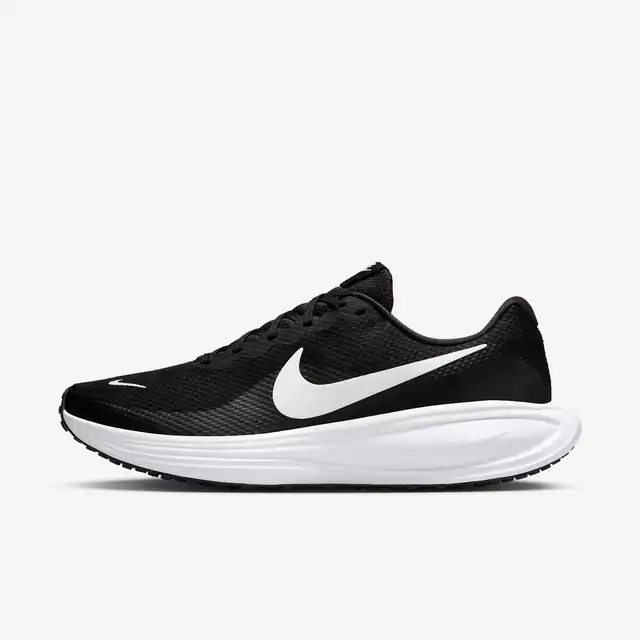
The Nike Revolution 8 is built for buyers who want a breathable, comfort-first running shoe that also works well for walking, commuting, and casual daily wear without feeling overly technical.
Yes, for the right user. The Nike Revolution 8 makes the most sense if you want a simple road-running shoe for easy miles, everyday comfort, and light mixed use. It makes less sense if you need a roomy forefoot, a highly energetic ride, or deeper cushioning for longer and faster sessions.
Buying an everyday running shoe sounds easy until you realize how many pairs look versatile but feel completely different once they are on foot. Some are soft but unstable. Others feel durable but too rigid. And some work well for casual wear yet disappoint the moment you try to run more than a short distance.
The Nike Revolution 8 sits in that high-interest middle ground. It is designed to be approachable, easy to wear, and comfortable for daily routines, while still offering enough running structure to serve beginners and casual runners well. The key question is not whether it looks like a running shoe. The real question is whether its fit, cushioning, and ride match the way you actually plan to use it.
What the Nike Revolution 8 actually feels like on the road
The Revolution 8 is best understood as a comfort-led daily trainer. It uses a mesh upper, a foam midsole, and a flexible forefoot to create a ride that feels smooth, uncomplicated, and easy to adapt to. That makes it attractive for buyers who do not want an aggressive performance shoe and would rather have something forgiving for regular use.
On foot, the biggest appeal is its simple balance. It does not try to feel ultra-plush, race-ready, or highly structured. Instead, it aims for the kind of cushioning that takes the edge off pavement while keeping the shoe easy to move in. For short runs, beginner sessions, and daily walking, that balance is usually more useful than flashy performance claims.
Another point in its favor is how naturally it fits into mixed routines. This is the sort of shoe that can handle a short run, a long walk, a commute, and a casual afternoon without looking out of place. That matters because many buyers in this category are not looking for a shoe that lives only in a training plan. They want one pair that can cover most of the week with minimal compromise.
Why fit is the first thing to get right before buying
If there is one mistake that can ruin the Nike Revolution 8 for the wrong buyer, it is assuming the fit will be generous just because the upper looks soft and flexible. The upper does help with comfort, but the shoe still leans narrower than some people expect. That means the Revolution 8 is far more convincing on normal to slightly slim feet than on broad feet or feet that need extra toe splay.
This matters even more because the shoe is meant for repetitive forward motion. A daily trainer that feels acceptable for a few minutes in the house can become irritating during longer walks or steady runs if the forefoot feels restricted. If you are between sizes, sensitive around the little toe, or regularly avoid narrow Nike fits, this is a point of attention before buying, not after.
The safer reading is this: the Revolution 8 can feel very comfortable when the shape matches your foot, but it can feel underwhelming fast when it does not. Buyers who know they usually need wide sizing, or who dislike any sense of compression in the front of the shoe, should be more cautious here than the clean look of the upper might suggest.
Where the comfort shows up most in real life
The strongest practical advantage of the Nike Revolution 8 is how easy it is to live with. The mesh upper helps keep the shoe from feeling stuffy, the heel and tongue touch points make it easier to put on and remove, and the overall ride is built around steady comfort rather than dramatic bounce. For many users, that combination is exactly what makes a daily shoe feel dependable.
It also helps that the forefoot has flexibility instead of a stiff, blocky transition. That usually makes a shoe feel smoother during easy paces and less demanding when you switch between walking and jogging. If your routine includes short neighborhood runs, treadmill sessions, errands, and everyday wear, this type of flexibility tends to feel more natural than a highly rigid platform.
The shoe can also be a sensible match for heel-dominant runners who want a familiar, easy-going ride. The drop and cushioning profile support that kind of use better than a flatter, lower-feel shoe would. So while it is not a specialist option, it often feels more welcoming for newer runners who want an uncomplicated entry into road running.
The trade-offs you should accept before choosing it
The Revolution 8 is not the pair to buy if you want a dramatic spring effect underfoot. Its foam setup is more about steady cushioning than lively rebound, so runners looking for a more modern, energetic sensation may find it too restrained. The ride is competent, not exciting, and that distinction matters if you expect a shoe to feel fast rather than simply comfortable.
The forefoot is another important limit. Buyers who land farther forward or want a more protective feel up front may feel that the shoe is modest there. That does not automatically make it uncomfortable, but it does shape the type of runner who will enjoy it most. Easy efforts and daily mileage fit the brief better than harder, longer, or more demanding sessions.
Breathability is good enough for everyday use, but it should not be treated like an unusually airy performance upper. It is an improvement-oriented comfort upper, not a stripped-down racing mesh. That means it works well for most people in normal daily conditions, but it may disappoint anyone expecting a very open, ultra-light feeling around the foot.
The specs that matter more than the marketing
Several details help explain the shoe’s behavior in practice. The Nike Revolution 8 uses a foam midsole, a breathable mesh upper, flex grooves in the forefoot, and a road-running geometry centered on comfort. It also comes in at roughly the kind of weight most buyers would expect from a general-purpose daily trainer rather than a featherweight speed shoe.
The 10 mm heel-to-toe drop is especially relevant because it helps explain why the shoe often feels more natural for heel strikers and general daily use than for runners who want a flatter, more ground-connected experience. In practical terms, that higher drop can make the shoe feel easier to adapt to for casual runners moving up from walking shoes or lifestyle sneakers.
The outsole design also deserves more attention than it usually gets. Flexible forefoot grooves help the shoe avoid that stiff slab sensation that makes some entry-level running shoes feel awkward. Here, the platform is simpler and more intuitive, which is part of why the Revolution 8 works best when you want a reliable daily shoe rather than a highly specialized one.
Who gets the most value from this shoe
The Nike Revolution 8 makes the most sense for beginners, casual runners, and everyday users who want one shoe that can cover several light-to-moderate roles well. It fits especially well into routines built around short road runs, treadmill sessions, walks, commuting, and casual wear where comfort and versatility matter more than peak running performance.
It also suits buyers who prefer a familiar mainstream running feel instead of an experimental one. Some shoes try to impress immediately with exaggerated softness or aggressive rocker geometry. The Revolution 8 is more restrained than that. It feels approachable, predictable, and easy to understand, which is often a better long-term fit for buyers who want consistency over novelty.
This is also a sensible option for people who want a Nike running shoe without stepping straight into a more demanding or more niche model. If your priority is a shoe that feels visually clean, easy to wear, and suitable for ordinary training goals, the Revolution 8 stays close to that brief.
Who should look elsewhere first
This shoe is a weaker match for wide-footed buyers, runners who want a roomier toe box, or anyone who has already had trouble with narrower Nike fits. Even if the upper feels soft in hand, shape still matters more than first impression. If fit anxiety is already part of your buying process, there are safer categories to explore.
It is also not the best choice for runners chasing a more premium underfoot sensation. If you want strong rebound, richer long-run cushioning, or a ride that feels more protective at faster paces, the Revolution 8 may feel too basic. It handles everyday running better than ambitious performance goals.
Finally, it may not satisfy buyers who want one shoe mainly for heavy gym work involving lots of lateral movement. It has enough everyday versatility for light training and general wear, but its design focus is still road-running comfort, not all-direction training support.
How it compares with other shoes in the same buying lane
Against other daily trainers aimed at beginners and everyday runners, the Revolution 8 stands out more for simplicity than for standout performance. It is the kind of shoe that tries to reduce friction in daily use rather than dominate any one category. That makes it easy to recommend when someone wants a clean all-rounder, but harder to recommend when someone has a very specific performance demand.
Compared with roomier daily trainers, the Revolution 8 is more likely to divide opinion on fit. Compared with softer or more premium-feeling trainers, it may feel more basic under longer mileage. And compared with walking-first sneakers, it usually offers a more credible running platform. That puts it in a very clear middle position: better for real running than casual shoes, but less ambitious than more serious daily trainers.
That middle position is exactly why the shoe will work so well for some buyers and feel limiting for others. If your goal is balance, it delivers. If your goal is maximum plushness, maximum energy return, or maximum forefoot room, it becomes easier to outgrow.
The buying call after looking past the branding
The Nike Revolution 8 is a good buy when your expectations are grounded in what it is actually built to do. It is not trying to be a premium long-run machine or a performance-focused trainer for chasing pace. It is trying to be a comfortable, breathable, easy-to-wear road shoe that supports everyday movement with minimal fuss. On those terms, it makes a lot of sense.
It becomes a weaker buy when shoppers expect the Nike name alone to cover every need. Brand familiarity can help a shoe get attention, but fit and use case still decide whether it works. The Revolution 8 rewards buyers who want calm, reliable comfort. It frustrates buyers who want a wider fit or a more exciting ride than the shoe is really built to provide.
Is the Nike Revolution 8 good for everyday running?
Yes, for easy and moderate daily use. The shoe is built around road-running comfort, with a foam midsole, flexible forefoot, and a ride that feels approachable rather than demanding. It fits best into short to medium everyday sessions, beginner plans, and mixed routines where walking and casual wear matter alongside running.
Is the Nike Revolution 8 comfortable enough for walking all day?
Yes, for many people it is. The breathable upper, comfort-focused cushioning, and smooth forefoot flexibility make it easy to wear beyond running alone. It is especially appealing if you want one pair for commuting, errands, casual wear, and light fitness. The main caveat is fit, especially if your forefoot needs more room.
Does the Nike Revolution 8 run small?
It can feel slightly small or narrow for some buyers. That concern shows up most around the forefoot rather than the heel. If you are between sizes, have broad feet, or have previously found Nike shoes restrictive in front, this is not the model to buy casually without thinking about shape and sizing.
Is the Nike Revolution 8 a good choice for wide feet?
No, it is not the safest option for wide feet. The shoe tends to make more sense on regular to slightly slim foot shapes than on broader ones. Even if the upper feels soft, the fit profile can still become restrictive during repeated use. Buyers who prioritize toe room should be careful here.
Is the Nike Revolution 8 better for beginners or experienced runners?
It is better suited to beginners and casual runners. The shoe’s appeal is its simplicity, approachable feel, and ease of daily use rather than advanced performance features. Experienced runners can still use it for easy days or casual wear, but those with more demanding training goals may want a more capable daily trainer.
Can you use the Nike Revolution 8 for the gym?
Yes, for light gym use it can work well. Walking, treadmill running, warm-ups, and general machine-based training are all reasonable use cases. Where it becomes less ideal is in sessions that demand stronger lateral support, sharp side-to-side movement, or a more planted training platform than a road-running shoe usually provides.
Is the Nike Revolution 8 a real upgrade over the previous version?
Yes, it appears to improve in meaningful everyday areas. The upper is described as more breathable than the previous version, and independent testing points to gains in areas like weight, grip, and overall ride quality. That does not transform it into a premium trainer, but it does make the update more than cosmetic.
Does the Nike Revolution 8 feel soft or firm underfoot?
It leans more toward balanced and controlled than deeply soft. The cushioning is there to smooth out daily miles, but the overall sensation is not one of exaggerated plushness or explosive bounce. That makes it easier to trust for routine use, while also explaining why some runners may find it less exciting than expected.
If your goal is to buy one Nike shoe for easy running, walking, and daily wear, the Revolution 8 is a strong candidate as long as the fit works for your foot. It succeeds because it stays practical. It does not overpromise, and in everyday use that honesty is part of its strength.
The final decision comes down to two things: how much forefoot room you need, and whether you want calm comfort or a more energetic ride. Choose it for steady daily versatility. Skip it if your priority is width, stronger rebound, or a more performance-driven feel.