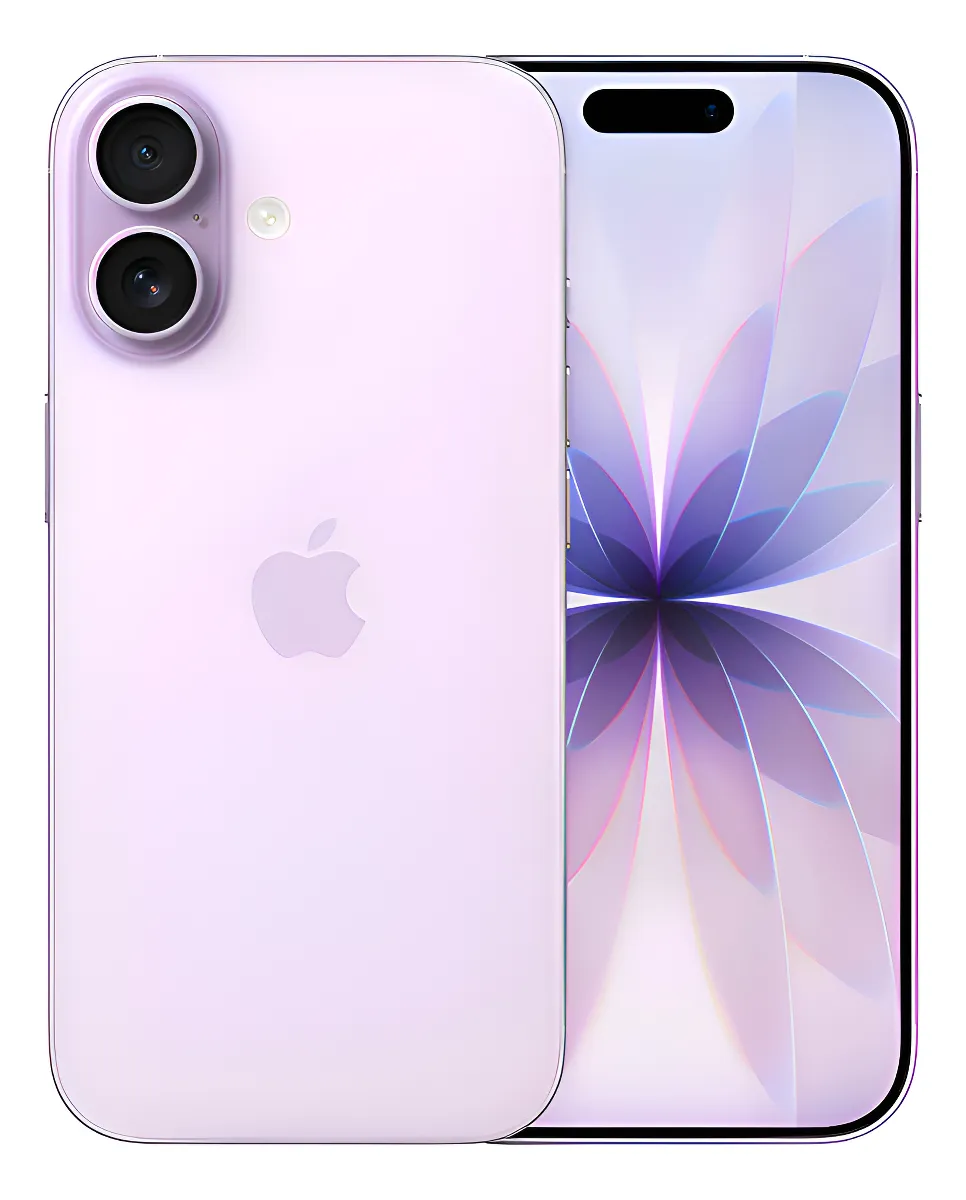
A polished everyday iPhone with strong storage, a smoother display, a refined Lavender finish, and enough performance for users who want a modern Apple phone without moving into the Pro line.
The iPhone 17 256GB Lavender makes sense if you want a balanced premium smartphone with a bright 6.3-inch display, A19 performance, strong cameras, Face ID, iOS 26, and comfortable storage for photos, apps, video, and daily use. It is less ideal if your priority is advanced telephoto zoom, professional video workflows, expandable storage, or the largest possible screen.
The iPhone 17 256GB Lavender is aimed at buyers who want a current iPhone that feels premium in daily use without necessarily paying for Pro-level camera and performance extras. Its main appeal is not one isolated feature, but the combination of display quality, storage, camera reliability, design, and long-term ecosystem value.
This version is especially attractive for users upgrading from older iPhones with smaller screens, lower refresh rates, weaker cameras, or limited storage. The 256GB capacity gives it a more comfortable starting point for real life, where photos, apps, offline media, messaging files, and system updates can quickly occupy space.
Why the iPhone 17 256GB Lavender stands out in everyday use
The iPhone 17 is a standard-line Apple smartphone, but this generation brings features that matter immediately in daily use. The 6.3-inch Super Retina XDR OLED display, ProMotion refresh rate up to 120Hz, A19 chip, iOS 26, and 48MP Dual Fusion camera system create a phone that feels fluid, capable, and modern.
The Lavender finish gives this version a softer and more distinctive look than the black or white options. It is still discreet enough for professional use, but it has more personality than a neutral color. For many buyers, that balance matters because a smartphone is also an object used and seen constantly.
The 256GB storage version is the more sensible choice for most people who intend to keep the device for several years. It gives more room for high-resolution photos, 4K video, large apps, downloaded maps, streaming content, messaging attachments, and operating system growth over time.
Another important detail is that the iPhone 17 does not rely only on raw specifications. It delivers the value of the iPhone ecosystem: iOS integration, Face ID, Apple services, strong app optimization, accessory compatibility, privacy-focused features, and a consistent experience across Apple devices.
The display is one of the biggest reasons to consider this model
The most common mistake when choosing this type of phone is looking only at storage or camera megapixels and ignoring the screen. The display is the part of the smartphone you interact with every time you unlock it, read a message, watch a video, browse, edit a photo, or use navigation.
Here, the iPhone 17 brings a 6.3-inch Super Retina XDR OLED display with HDR, high pixel density, Dynamic Island, Always-On display, and ProMotion with adaptive refresh rates up to 120Hz. In practical terms, this means smoother scrolling, more responsive animations, and a more premium feel than older standard iPhones without ProMotion.
The high peak brightness and reduced reflections also help outdoors, where cheaper or older phones can become harder to read. This matters for people who use the phone on the street, in the car, at work, while traveling, or under strong ambient light.
If you are coming from an older iPhone with a 60Hz panel, the difference in fluidity is easy to notice. It may not sound dramatic on paper, but it changes the way the whole phone feels. For many users, this display upgrade alone makes the iPhone 17 feel like a much more current device.
Daily performance with the A19 chip feels ready for years
The A19 chip is the performance center of the iPhone 17. It uses a 6-core CPU and a 5-core GPU with Neural Accelerators, giving the phone enough power for social apps, multitasking, video calls, photo editing, casual gaming, navigation, banking apps, productivity tools, and Apple Intelligence features where available.
For everyday use, the biggest advantage is consistency. Apps open quickly, interface animations remain smooth, and the phone is built to handle iOS updates and heavier applications over time. This is exactly where a current-generation iPhone usually becomes a safer long-term purchase than an older model with a lower entry cost.
The 8GB RAM listed for this model also supports smoother app switching and a more comfortable experience with modern iOS features. It should not be judged like a computer spec in isolation, because Apple controls both the hardware and software, but it helps position the iPhone 17 as a stronger device for long-term use.
It is not the best choice for users who want the maximum graphics capability, sustained heavy gaming performance, or the cooling and camera extras of the Pro family. For most people, however, the A19 chip is more than enough and should feel fast across the normal lifespan of the device.
Cameras that fit real life better than spec-sheet comparisons suggest
The iPhone 17 256GB Lavender includes a 48MP Dual Fusion camera system, with a 48MP Fusion Main camera and a 48MP Fusion Ultra Wide camera. This setup is designed for the type of photography most users actually do: people, pets, food, travel, documents, landscapes, night scenes, and social content.
The main camera supports high-resolution photos and optical-quality 2x telephoto through the Fusion system. This is useful for portraits, product shots, street scenes, and closer framing without needing to step forward. The Ultra Wide camera adds flexibility for architecture, group shots, interiors, and wider landscapes.
The 18MP Center Stage front camera is one of the practical upgrades that should matter to anyone who takes selfies, joins video calls, records short videos, or creates content for social media. It offers more flexible framing and can help keep people better positioned in the shot.
Video recording is also a strong point. The iPhone 17 supports 4K Dolby Vision video, Cinematic mode, Action mode, macro video, slow motion, time-lapse, and Dual Capture. That does not make it a cinema camera, but it does make it a reliable device for recording family moments, travel clips, work content, and social videos with minimal setup.
The main camera trade-off is zoom. The iPhone 17 does not replace the camera flexibility of Pro models with a dedicated telephoto system. If you often photograph concerts, sports, distant subjects, wildlife, or want advanced optical zoom options, the Pro line is a better match.
What feels better once you use it every day
The first practical advantage is the smoother screen. It makes social feeds, web browsing, system gestures, and gaming feel more fluid. This is not just a visual luxury; it makes the phone feel more responsive throughout the day.
The second advantage is storage comfort. With 256GB, you can use the phone more naturally without constantly deleting videos, managing app data, or worrying every time the camera is used in higher quality modes. It is a strong fit for users who plan to keep the phone for more than a short upgrade cycle.
The third advantage is camera dependability. The iPhone 17 is built for quick shooting, predictable color, strong video, and easy sharing. It is a good phone for people who want reliable results without manual settings or complex editing workflows.
The fourth advantage is the combination of durability and design. The aluminum structure, Ceramic Shield 2 front, infused-color glass back, IP68 rating, and lighter 177g body make the device feel premium without becoming too heavy.
The fifth advantage is ecosystem convenience. Face ID, NFC, wireless charging, fast charging, USB-C, iOS continuity, AirPods integration, Apple Watch compatibility, iCloud, and app quality all matter in daily ownership. These are not always flashy features, but they strongly affect satisfaction over time.
Where expectations need to stay realistic
The iPhone 17 256GB Lavender is not a Pro model, and that matters if your expectations are very specific. It does not offer the advanced Pro camera package, the extra optical zoom options of higher-end models, or the most specialized tools for professional video production.
There is no memory card slot, so the storage you choose at purchase is the storage you will live with. The 256GB version is a good middle ground for many people, but users who record a large amount of 4K video or keep huge offline media libraries may want to consider higher capacity.
There is also no fingerprint reader. Unlocking is handled through Face ID, which is fast and mature, but some users still prefer Touch ID for certain situations. If fingerprint unlocking is essential for you, this model will not satisfy that preference.
The battery is not removable, which is normal for modern flagship smartphones but still important to understand. Long-term battery health will depend on charging habits, usage intensity, temperature exposure, and time.
Another point of attention is the Lavender finish. It is elegant and distinctive, but color is personal. If you frequently resell your devices or prefer the most neutral possible appearance, black or white may feel safer. If you want a phone with personality without looking too flashy, Lavender is one of the most appealing choices.
Hardware details that matter before choosing
The iPhone 17 256GB Lavender combines a 6.3-inch OLED Super Retina XDR display with HDR, 460 ppi, ProMotion up to 120Hz, and Dynamic Island. The body measures 149.6 mm in height, 71.5 mm in width, and 7.95 mm in thickness, with a weight of 177g.
Inside, the A19 chip gives the phone its performance foundation. The listed configuration includes 256GB of internal storage and 8GB RAM. There is no microSD expansion, so this capacity should be evaluated according to your photo, video, app, and file habits.
For cameras, the rear system is based on 48MP Fusion cameras, with support for high-resolution photos, ultra-wide framing, and optical-quality 2x shooting. The front camera is an 18MP Center Stage camera, useful for selfies, video calls, and more flexible framing.
The phone supports NFC, Face ID, fast charging, wireless charging, and safety features such as emergency support functions. It is rated IP68 for resistance to dust and water under defined conditions, which adds reassurance for accidental exposure but should not be treated as permission for careless use.
It runs iOS 26, which brings the latest Apple software experience for this generation. For users already using iPhone, iPad, Mac, Apple Watch, or AirPods, the transition should feel familiar and convenient.
The strongest buyer profile for this iPhone
This iPhone makes the most sense for users who want a premium daily phone with a modern screen, excellent storage, strong cameras, and reliable performance. It is especially suitable for people upgrading from iPhone 12, iPhone 13, iPhone 14, or older standard models.
It is also a good fit for users who take many photos and videos but do not need Pro camera tools. The 256GB storage tier gives more breathing room, while the 48MP camera system and 18MP front camera cover most personal, family, travel, and social content needs.
The iPhone 17 also works well for students, professionals, creators with moderate demands, frequent travelers, and users who want a phone that can handle several years of software and app evolution. The combination of A19 performance and iOS integration gives it a strong foundation for long-term ownership.
The Lavender version is ideal for buyers who want a softer, more elegant finish without choosing a loud color. It offers a little more personality while still preserving the refined look expected from an iPhone.
When another phone may make more sense
This is not the best choice if your main priority is advanced zoom photography. Users who frequently shoot distant subjects should look at models with dedicated telephoto hardware and broader camera control.
It may also be excessive for people who only need basic messaging, calls, banking apps, and occasional photos. In that case, a simpler iPhone or a lower-tier smartphone may cover the same routine with less unused capability.
Heavy mobile gamers and professional creators may also want to compare it with more powerful models before deciding. The iPhone 17 is fast, but the Pro models are better suited for sustained high-performance graphics, demanding video work, and more advanced camera flexibility.
Users who need the largest screen possible should also consider whether 6.3 inches is enough. This size is comfortable and practical, but it is not the same experience as a larger display for reading, editing, gaming, or watching long videos.
Finally, anyone who depends on expandable storage should avoid assuming that the 256GB model can be expanded later. It cannot. Choose the capacity carefully before purchase.
How it compares with older iPhones and Pro alternatives
Compared with older standard iPhones, the iPhone 17 feels like a meaningful upgrade because of the smoother 120Hz display, improved durability, stronger camera system, larger base storage, A19 chip, and newer front camera. These are everyday upgrades, not just technical details.
Against the iPhone 16 generation, the iPhone 17 is more compelling for users who care about display fluidity, front camera flexibility, storage comfort, and a more future-ready experience. If your current phone still performs well, the upgrade is not mandatory, but the difference becomes easier to justify if battery, storage, or screen smoothness are already bothering you.
Compared with the iPhone 17 Pro, the standard iPhone 17 is the more rational pick for most people. It keeps the modern display, strong main cameras, A19 performance, iOS 26, and everyday premium feel. The Pro is more appropriate for users who want extra zoom, higher-end graphics, more demanding video tools, and the most advanced camera package.
Compared with Android flagships, the decision depends less on a single specification and more on ecosystem preference. The iPhone 17 is stronger for users who value iOS, long-term app optimization, Apple device integration, Face ID, and a consistent camera experience. Android alternatives may appeal more to users who prefer customization, different charging ecosystems, or more varied hardware designs.
The buying decision becomes clearer when you focus on use
The iPhone 17 256GB Lavender is worth considering if you want a balanced premium iPhone that does not feel compromised in the areas most people use every day. The display is smooth and bright, the cameras are versatile, the storage is comfortable, and the A19 chip gives it plenty of power for long-term use.
Its strongest value is balance. It does not try to be the most advanced iPhone in every category, but it delivers enough of the flagship experience to satisfy most buyers. That makes it a smart option for people who want a current iPhone without necessarily needing Pro-level extras.
The main reasons to skip it are also clear: you want advanced optical zoom, the biggest display, professional video formats, maximum sustained performance, expandable storage, or a much simpler phone for basic use only.
For the right buyer, this model is a confident choice. It feels modern, looks refined in Lavender, offers practical storage, and brings the display and camera upgrades that make a visible difference from older standard iPhones.
Is the iPhone 17 256GB Lavender good for long-term use?
Yes, it is a strong option for long-term use because it combines the A19 chip, iOS 26, 256GB of storage, and a modern display. The storage capacity is especially important if you keep many photos, videos, apps, and files. It also has enough performance headroom for future app and system demands.
Is 256GB enough storage on the iPhone 17?
Yes, 256GB is enough for most users who take photos, record videos, use many apps, and keep media offline. It is a more comfortable choice than smaller capacities for a phone intended to last several years. Heavy 4K video users may still prefer more storage if they rarely clean files.
Does the iPhone 17 have a good camera?
Yes, the iPhone 17 has a strong camera setup for everyday photography and video. The 48MP Dual Fusion system covers main and ultra-wide shooting, while optical-quality 2x framing adds useful flexibility. It is not the best iPhone for advanced zoom, but it is highly capable for most real-life situations.
Is the Lavender color too flashy?
No, the Lavender finish is distinctive without being overly flashy. It gives the phone a softer and more personal look while still feeling premium and refined. Buyers who prefer maximum neutrality may choose black or white, but Lavender is a good match for users who want elegance with personality.
Does the iPhone 17 support wireless charging?
Yes, the iPhone 17 supports wireless charging, along with fast charging. This makes it convenient for users who already use charging pads, magnetic accessories, or a cable-free setup at a desk or bedside table. Charging speed and experience still depend on the charger and power adapter used.
Is the iPhone 17 better than buying an older iPhone?
Yes, it can be a better choice if you want a smoother display, newer chip, stronger cameras, more storage comfort, and longer software relevance. Older iPhones may still be enough for basic use, but the iPhone 17 feels more future-ready and offers upgrades that are noticeable every day.
Should I choose the iPhone 17 or iPhone 17 Pro?
Choose the iPhone 17 if you want a balanced premium iPhone for normal daily use, photos, videos, work, travel, and entertainment. Choose the Pro model if you need advanced zoom, more specialized camera tools, stronger sustained graphics performance, or professional video features. Most users will be satisfied with the standard iPhone 17.
Does the iPhone 17 have expandable storage?
No, the iPhone 17 does not have a memory card slot. The internal capacity chosen at purchase is the capacity you will use. That is why the 256GB version is a practical choice for most buyers, especially those who record video, store many photos, or keep the phone for several years.
The iPhone 17 256GB Lavender is a strong buy for users who want a current, elegant, and reliable iPhone with a smooth screen, capable cameras, strong performance, and practical storage. It is not built for every professional camera or gaming demand, but it delivers the right mix for most people who want a premium phone that stays useful and enjoyable over time.